

Treatment abroad: Hungary
Why choose Hungary for medical tourism?
Hungary, renowned for its high-quality healthcare services, offers a diverse range of medical treatments including dental care, cosmetic surgery, and thermal spa therapies, making it an attractive destination for medical tourists seeking affordable and top-notch healthcare in a picturesque European setting.
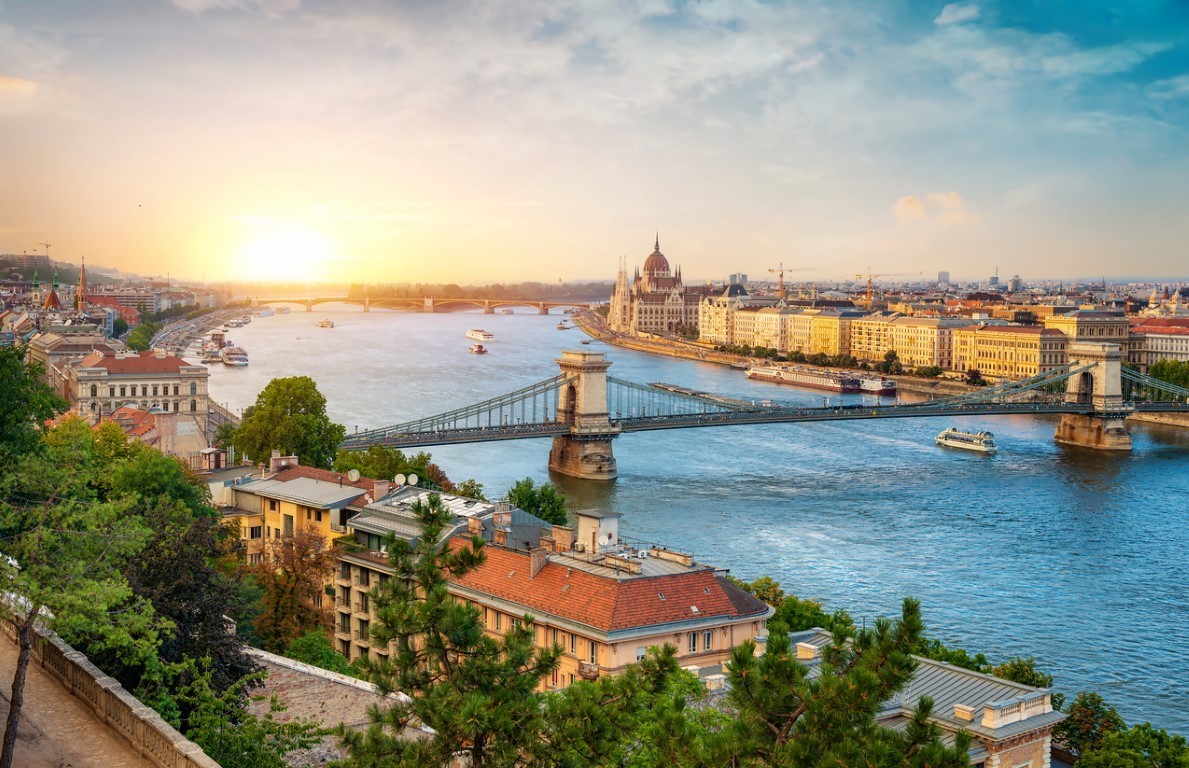
Quality of care,low prices and ease of travel for patients from Europe or further afield makeHungary a popular overseas health care destination if you are seeking surgery and treatment abroad. Finding out more about Hungary generally is a sensible idea if you are thinking of travelling here for medical tourism.
Why consider Hungary for medical tourism?
Hungaryhas for a long time been a popular destination for the Germans and Austrians, once they cottoned on to the fact that it was much cheaper to have their surgery in Hungary than at home. Consequently over the past fifteen years or so the market has expanded and an increasing number of surgeons have emerged giving greater access to top class, affordable cosmetic and plastic surgery, general surgery, dental surgery and other treatments.
Until fairly recently however, Hungary hasn’t been a particularly popular option for medical tourists from outside mainland Europe. With the increased mobility offered by world travel, with cheaper deals by international airlines, this has all changed and Hungary is now a much better prospect. Just as well, because Hungaryoffers a range of excellent healthcare which visitors can take advantage of at a lower price than in their own countries.A face and neck lift in Hungary still costs around €2,000* (excluding flights etc). It’s also true that many of the dental and cosmetic surgeries run medical tourism programs, organising the entire trip from flights, transfer, accommodation and surgical or dental treatment. This may not be available for medical tourists from all international destinations but it is always worth making an enquiry at your chosen clinic.
Hungaryis renowned all over the world for its high standards and advanced medical procedures, with many of their medical profession teaching and practicing internationally. The country has some of the lowest MRSA rates in Europe, and provides access to high class and affordable elective, cosmetic and plastic surgery and to cosmetic and therapeutic dentistry. Procedures are carried out in Budapest clinics with modern up-to-date facilities and run byinternationally trained, English speaking doctors and surgeons. With the high level of professionalism and the premium service available you can effortlessly combine your treatment with a relaxing break. The city of Budapest is a particularly relaxing place to recover from surgery with the many rejuvenating thermal spas.
Reasons to choose Hungary
Low prices and high quality of care
Wide range of private treatments available
Affordable budget flights from across Europe
Some of the lowest MRSA rates in Europe
Thermal spa resorts with invigorating treatments
Budapest is one of Europe’s most popular capitals
The healthcare system in Hungary
Hungary has an all-inclusive health system for every tax payer which is similar to the National Health Service that is better known in the UK and which was set up in 1945; thus pre-dating the NHS by two years. There is also a thriving private system that works on a treat and then pay basis. The private hospitals and dentist surgeries are equipped with state of the art modern technology and facilities, largely due to the influence of the German clients who have been visiting the country for over fifteen years to take advantage of the very competitive prices for their dental and surgery needs.
In Hungary all cosmetic surgeons must be qualified and experienced general surgeons before they can specialise in cosmetic surgery and the requirements are extremely strict. This is good news as it means that a cosmetic surgeon will know everything about being a surgeon, and not just about his/her specialist field, meaning that the level at which they operate is exceptionally high and the clinics have state of the art equipment in immaculate buildings. Hungarian dentists and surgeons’ qualifications are internationally acknowledged.
All doctors have to be registered and receive permission to practise from the government department, Orvosi Kamara, (the Chamber of Medicine) and having passed their cosmetic surgery exams they become members of the Hungarian Association of Plastic and Aesthetic Surgeons.
All clinics and hospitals have to be approved and registered with the government health department and all doctors have to also be registered, declaring their diplomas and qualifications to the same department, before they are allowed to practise at a particular institution. This also applies if the surgeon works at more than one institution then he/she has to be registered at all places of practice. Surgeons and doctors are known simply as Doctor or Mr and doctors state their speciality.
Travel and accommodation
If you fly to Hungary you will land at Ferihegy,Budapest’s international airportwhich is located 28km from the city centre and has three terminals. International flights are available from all the usual European airports and transcontinental travel has increased exponentially in the last two decades.
From the airport a minibus shuttle goes to anywhere in the city and costs around 2,300 Ft. If you’re thinking of getting a taxi it is advisable to call a taxi from one of the suggested numbers at the airport pay phones and get a quote as the taxis at the entrance are notorious for charging more. The taxi journey should cost around 4,000 Ft, with journey time of around 45 minutes.
If you’re not a keen flyer then the other (albeit much longer) option for European medical tourists is taking the train. Overland journeys can be long but overnight trains with onboard couchettes can make this an interesting experience but be aware that you may not feel up to it on the return journey if you have had major surgery.
Public transport
The public transport within Hungary is efficient, reliable and cheap. Dek tr is the city centre from where the metro stations adjoin. The Eastern Railway is the main international station and there are several daily rail connections to Vienna and Prague from here as well as metro, bus and tram connections to the city centre while Western Railway and Southern Railway serve the domestic destinations. The main tourist attractions are spread over a fairly small area and are well served by the public transport system.
Accommodation
The average price for a three star hotel in Hungary is 12,000 to 20,000 Florint while a four star would be 20,000 to 30,000 Ft.(€1 = approximately 300 Ft). Booking online using price comparison sites offers some good last minute deals or you can book online direct. The three star Hotel Erzsebet in Budapest has rooms from €68 per night including breakfast (www.danubiushotels.com) while the four starRadisson SAS Bekehas rooms from €85 per night. While in Hungary it’s a good idea to take advantage of the rejuvenating and relaxing properties of the country’s many thermal spas by staying at a spa hotel such as the four star Margitsziget Thermal Hotel on Margaret’s Island. Single rooms cost from approximately €50 per night.
About Hungary
Situated in the heart of Europe, the Republic of Hungary lies in the Carpathian Basin in Central Eastern Europe and is bordered by Austria, Slovakia, Romania, Serbia, Montenegro, Croatia, Slovenia and Ukraine. Rich in history and culture, as well as natural beauty, Hungary is a remarkable country to visit and combine with dental, surgical or cosmetic treatment.
With a population of around 10 million and a central Europe climate of very hot summers and raw cold winters Hungary has plenty of natural beauty and a fascinating artistic, historical and cultural element after surviving many a heroic struggle against oppression. Today Hungary is known as the Gateway to Europe, but this central position has made the country vulnerable to plenty of invaders, including the Turks, the Habsburgs, the Germans and the Russians and each has left their mark here – for example, the Turkish thermal baths, the Austrian Citadel on Gellert Hill, SzentIstvn Basilica(the world’s largest Synagogue), and the Russian statues in a park on the outskirts of the Budapest.
The capital, Budapest, is located in a central northern position on the banks of the river Danube and is considered to be one of the top European destinations, even above Prague. A bustling, vibrant and architecturally beautiful city there is plenty to see and do, and despite the many invasions and uprisings the city’s original charm remains: Imagine sipping drinks in one of the many coffee houses which have long time been popular haunts for poets, soldiers, musicians and aristocrats with passionate gypsy music in the background, overhearing locals’ heated discussions, or watching yellow trams hurtle down cobblestone streets passing facades marked with signs of revolution and magnificent old apartment blocks.
Budapest was originally separated into three parts and divided by the River Danube which flows from the north to the south with the district of Buda situated at the west, Pest at the east and Obuda (which translates as old Buda) at the north-west, but in 1873 three became one to form ‘Budapest’. As many of the dental and cosmetic surgeons are based in the capital, culture vultures can enjoy the city’s attractions after their treatment. Highlights include the Opera House, the Royal Palace, Buda Castle and the Old City Wall. Take a ride on the funicular railway to Castle Hill, or Tram number two to enjoy the hills of Buda, stroll around the Museum of Fine Arts or the Hungarian National Gallery then relax in one of the city’s 400 cafs with coffee and cake.
Hungary was one of the Eastern European countries to enter the European Union in 2004 but the Euro hasn’t arrived just yet; the currency is the Hungarian Forint and the exchange rate is roughly 300 Ft to €1.
The Hungarians are a very proud, resilient and patriotic race who are generally very hospitable people despite their reputation for being a little pessimistic – but who could blame them after such a turbulent history? As far as dining goes expect to see dishes such as Paprika Chicken with dumplings or Goulash. Pork is also big news in Hungary and you will see plenty of it at most meal times, either as a main course or used for seasoning and added to anything from soups, sauces and cabbage. Allegedly the ham obsession goes back to the Turkish invasion when the Muslims (who for religious purposes won’t eat pork) left behind many pigs and hence it became a staple dish. And don’t forget to sample some Hungarian wine with your meal; it regularly wins prizes at international wine fairs.
Nature lovers will delight in Hungary’s spectacular scenery; Lake Balaton, for example is Europe’s largest freshwater lake, known as the Hungarian Sea and there are many other nature conservation areas to be explored. Take a trip out of Budapest to Szentendre, a peaceful folk village north of the city on the Danube bend, just 20 minutes by car or 40 by train. The country also boasts a collection of thermal spas (around 400 thermal springs in 85 different locations) whose therapeutic and medicinal properties have attracted visitors for many years and have been recognised by the Ministry of Health. The thermal water absorbs minerals from the earth’s crust and is especially good for muscle tension, aches and pains or circulatory/injury rehabilitation. The main ones are Gellrt Spa, King Spa, St Luke Spa and Szchenyi Spa. Seewww.budapestgyogyfurdoi.hufor more information.
Clear, practical advice on costs, options, safety and how to choose. Start with the essentials, then dive deeper.
Read the guideFeatured Providers in Hungary
Dental clinic
Europe, Hungary
Dental clinic
Europe, Hungary
Dental clinic
Europe, Hungary